What you will learn
This online Safer Recruitment in Education Training course offers an understanding of implementing effective safer recruitment practices to protect children and young people in educational settings and provides insights into the statutory requirements regarding policies and procedures.
By the end of the course you will be able to:
- Grasp the importance of safer recruitment practices in education.
- Understand relevant legislation and guidance.
- Design and implement an effective safer recruitment strategy.
- Identify essential elements of a safer recruitment job application pack for educational roles.
- Craft job advertisements aimed at attracting suitable candidates.
- Recognise the importance of thorough vetting procedures, including DBS (Disclosure and Barring Service) checks and maintaining a Single Central Record.
- Learn effective methods for obtaining reliable references for candidates.
- Prepare for and conduct professional interviews and respond appropriately to any concerns.
- Implement continuous vigilance through post-appointment practices, such as developing comprehensive induction programs for new staff.
Modules
Your Title Goes Here
1. Overview and Tips
Introduces the course structure, explains how progress is saved and shows how to move through the training. It also outlines the knowledge checks, final assessment and certificate process.
2. Introduction to Safer Recruitment
Explains why safer recruitment is essential when employing people who may work with children or adults at risk. It introduces the relevant legal responsibilities and the consequences of weak recruitment and vetting practices.
3. Preparing for Recruitment
Covers the planning needed before advertising a role, including job descriptions, person specifications and safeguarding statements. It also explains what to include in an application pack and how to set clear expectations for candidates.
4. Shortlisting and References
Explains how to review applications consistently, identify gaps or concerns and create a defensible shortlist. It also covers self-disclosure, online checks and how to obtain and assess reliable references.
5. Conducting Interviews
Shows how to prepare an interview panel, choose appropriate questions and explore safeguarding concerns fairly. It also covers active listening, professional conduct and recording the reasons behind recruitment decisions.
6. Pre-Appointment Checks
Covers identity and right-to-work checks, criminal-record checks, qualifications, professional status and overseas information where relevant. For education settings, it also explains the purpose and ongoing maintenance of the Single Central Record.
7. Safer Working Practices Beyond Appointment
Explains how induction, probation, supervision and codes of conduct support safer working after a person has been appointed. It also covers responding to concerns or allegations and making referrals to the appropriate organisations.
8. Final Assessment
Tests understanding of the course through a final assessment with an 80% pass mark. Learners can retry the assessment as many times as needed and must pass before completing the course.
9. Downloads
Provides practical safer recruitment checklists that can be used after the training. Resources include both a general safer recruitment checklist and an education-specific checklist.
10. Post Course Evaluation
Invites learners to provide feedback on the course and their experience. This helps identify where the training and supporting resources can continue to be improved.
Who is this course for?
- Designated Safeguarding Leads (DSLs) and their deputies.
- School Senior Leadership Team
- Teachers and teaching staff involved in the hiring process
- School governors and trustees
- School administration staff
- Anybody else involved in educational recruitment of new members of staff
This online Safer Recruitment in Education Training course is suitable for anyone involved in recruitment within an educational setting such as schools, colleges, MATs, nurseries, pupil referral units, residential education establishments, out of school clubs within a school, educational activity centres and SEN schools. This includes hiring full-time, part-time or volunteers such as governors. If you work in another sector, then our online Safer Recruitment Training course may be more suitable.
Certification
This online Safer Recruitment in Education Training training course is accredited by The CPD Group.
Score 80% or more in the final assessment to receive your certificate, which is valid for 2 years.
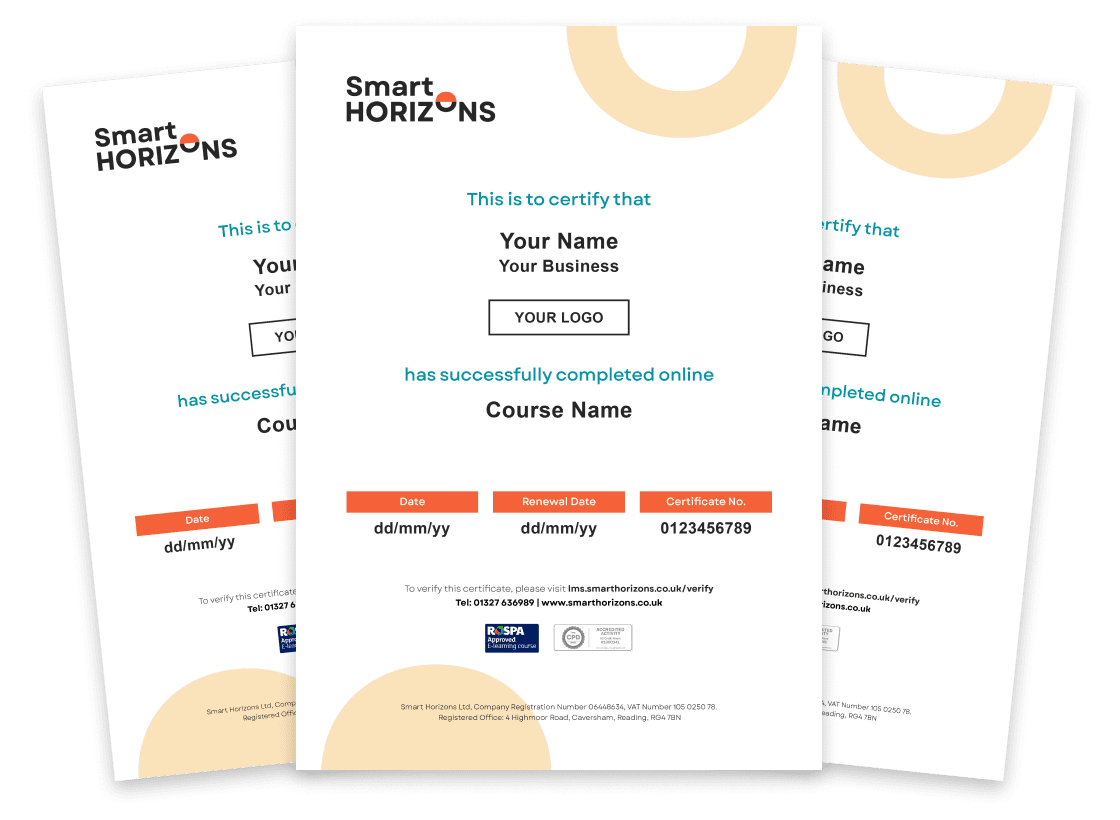
Upon successful completion of this course, you’ll be sent a personalised digital certificate as a PDF, enabling you to download and print it.
You can access a copy, reprint or download this certificate on our LMS (Learning Management System). This is your proof that you have been trained in safeguarding best practices and achieved compliance. The certificates include a verification number so anybody can authenticate the certificate’s legitimacy.
Our certifications include a renewal date but there is no legal requirement to renew your training and certificate within a specific timeframe. However, we do recommend that you arrange refresher training after 2 years as safeguarding guidance does change. You should update your safeguarding knowledge and skills regularly.

Genuine reviews
Frequently Asked Questions
Your Title Goes Here
What is safer recruitment in education?
The safer recruitment process in education is designed to ensure that only individuals who are suitable to work with or volunteer with children and young people are hired. This involves more than just assessing a candidate’s professional abilities, it includes a thorough review of their background, including previous employment, any criminal history and character references. This comprehensive vetting process helps prevent the recruitment of unsuitable candidates, thereby maintaining a safe environment for children and young people.
Every school is required to have its own safer recruitment policy and procedures. These policies not only provide a clear, approved sequence of steps for recruitment to take but also demonstrate a commitment to safeguarding children in their care. These policies ensure that all job applicants are appropriately and rigorously screened.
Why is safer recruitment important in education?
Safer recruitment procedures play an important role in protecting children from abuse in educational settings. Thoroughly screening and vetting potential staff during the recruitment process helps keep children and young people protected from predatory or harmful adults.
Is safer recruitment training mandatory in education?
Individuals applying for positions involving contact with or responsibility for children in education must undergo a safer recruitment process. Those staff members involved in the recruitment process should complete a safer recruitment training course so they understand safer recruitment processes and carry out all the relevant checks before they hire a candidate.
How often should safer recruitment training in education be updated?
Where can I find out more about each stage of the safer recruitment process?
We suggest referring to our online guide, titled ‘Safer Recruitment Checklist’, which comprehensively details each stage of the safer recruitment process in an easy-to-follow checklist format. This resource offers step-by-step guidance for every phase of recruitment, ensuring you can effectively adhere to and fulfil all necessary sections. It’s an invaluable tool for anyone engaged in safer recruitment, aiding in the implementation and standardisation of best practices across the recruitment process.